Home › Box Dieline Library › Self-Dividing and Insert-Liner Carton Dielines
Self-Dividing and Insert-Liner Carton Dielines
5 box styles · each one can be resized and generated
The traditional way to partition a box is a body plus a separate die-cut insert card: at packing time someone opens the card and drops it in, which adds one operation, one labour cost and one chance to forget it. Self-dividing cartons draw the partitions on the blank itself, so they stand up as the box is formed - same contents, one fewer part and one fewer step. The trade-off is a more complex blank, slightly more board, and cell sizes tied tightly to the product outline, which limits reuse.
Boxes in this group
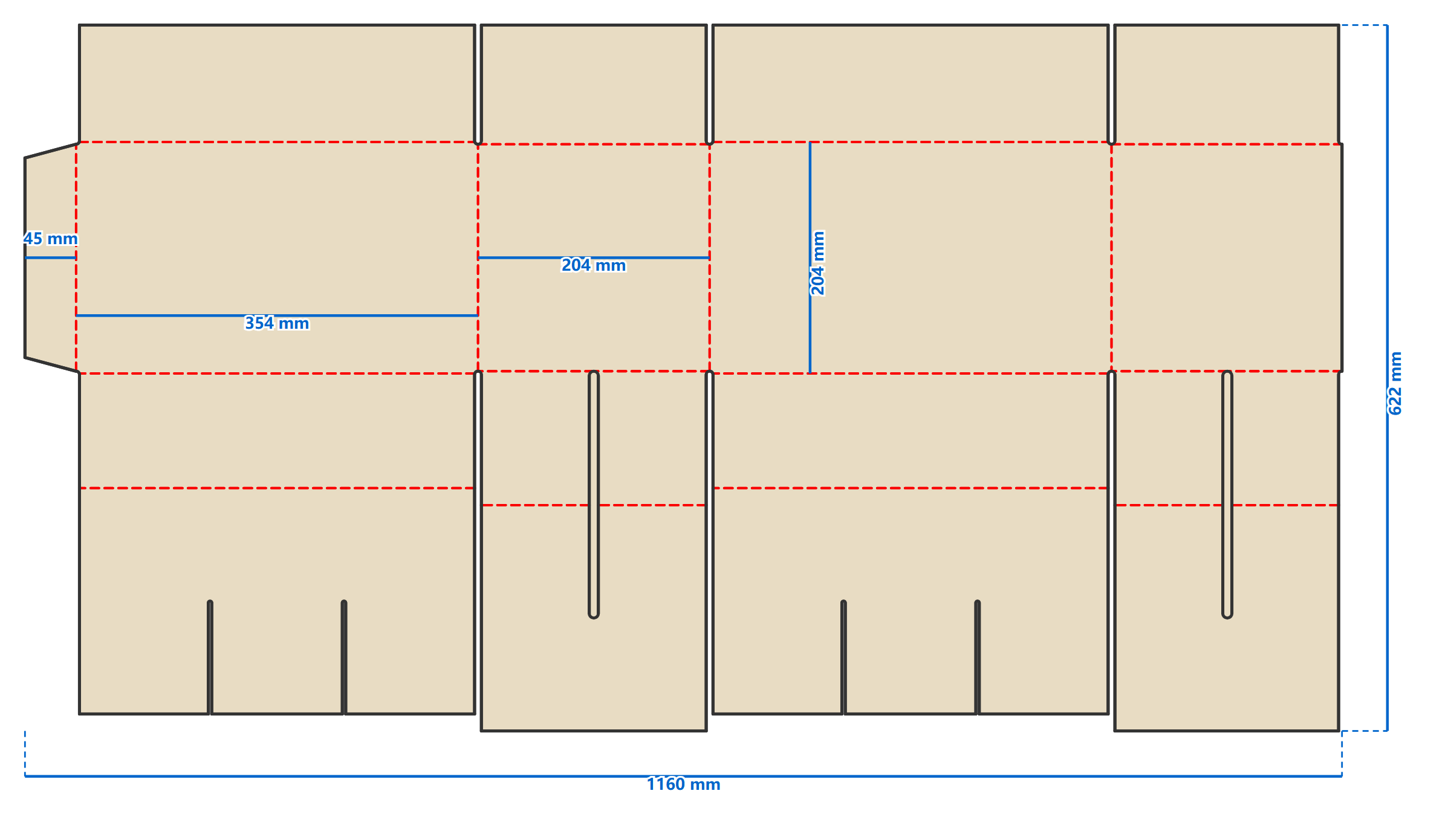 Six-compartment divider carton (867)View the dieline and unfolding diagram →
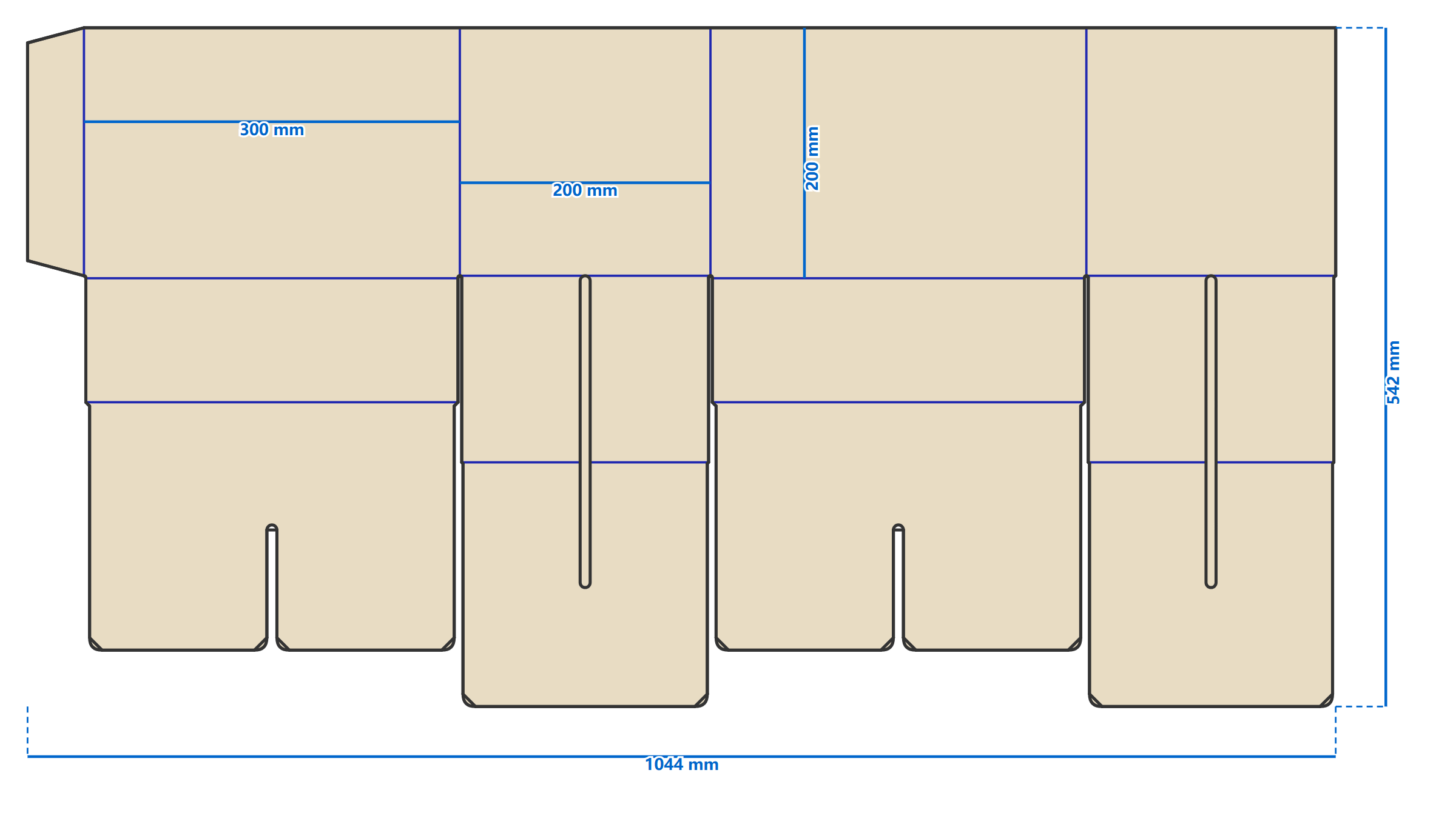 Self-block flat carton (CartonSelfBlockFlat)View the dieline and unfolding diagram →
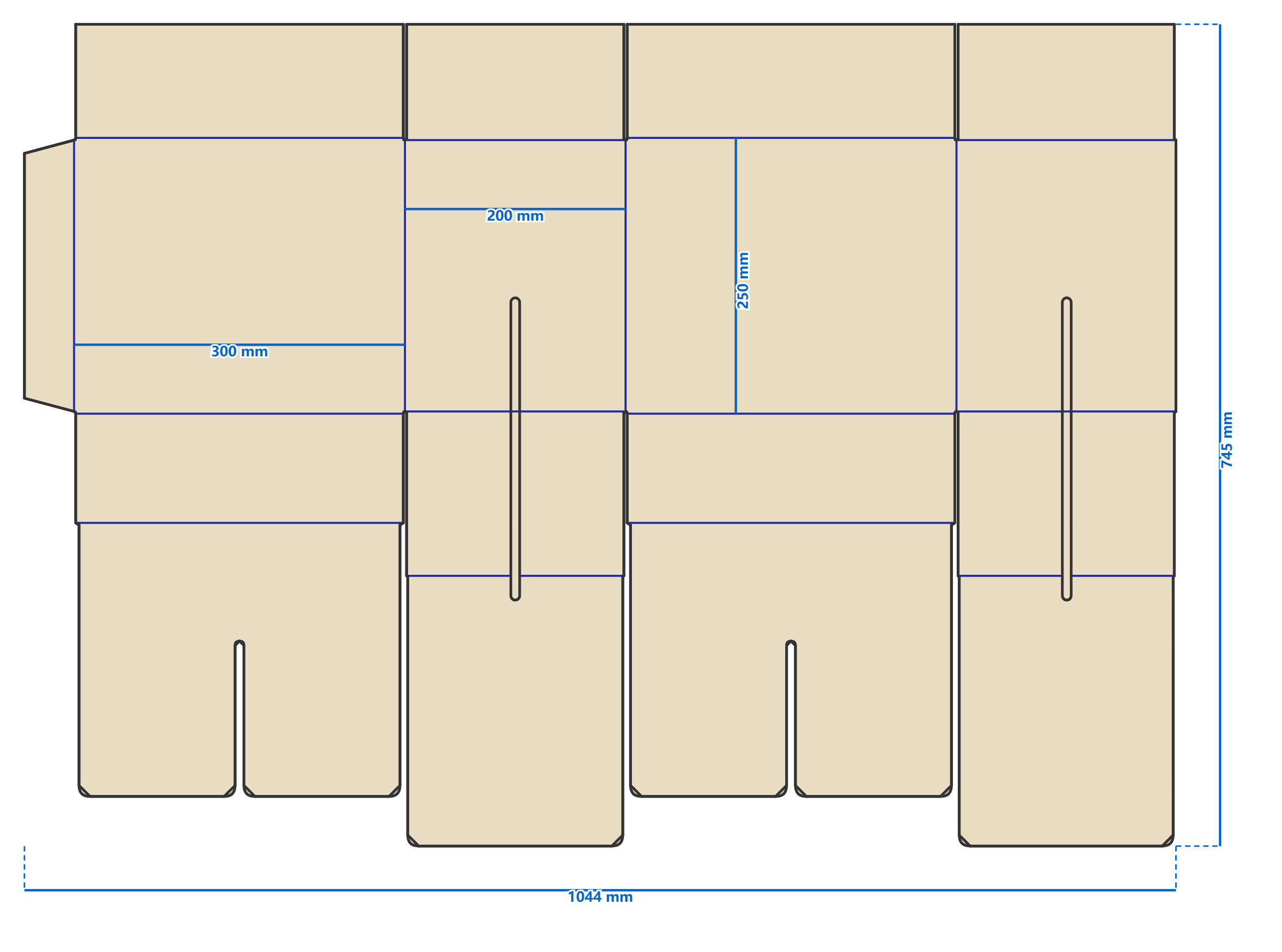 Self-block divider carton (227)View the dieline and unfolding diagram →
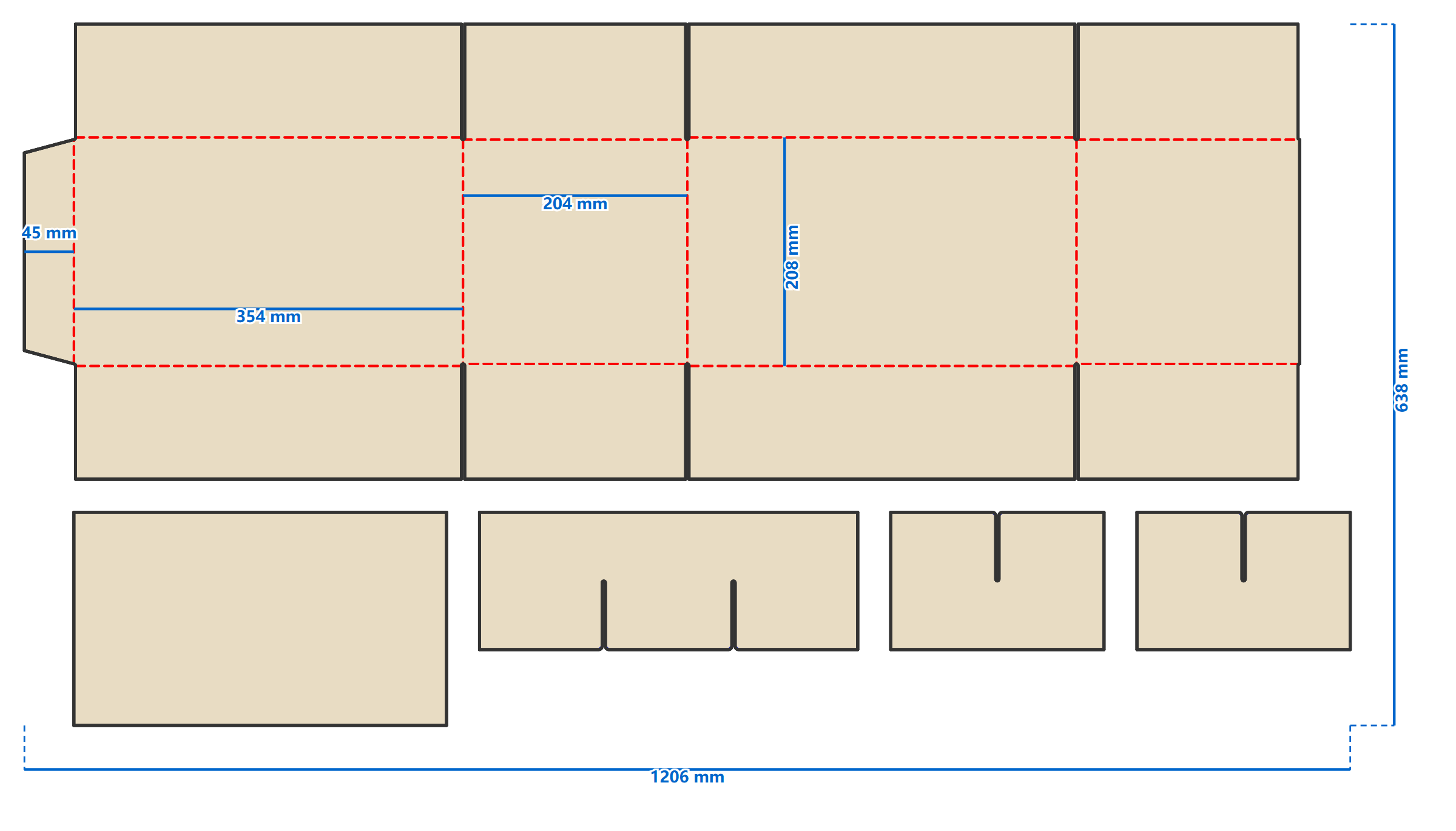 Six-compartment insert carton (2768)View the dieline and unfolding diagram →
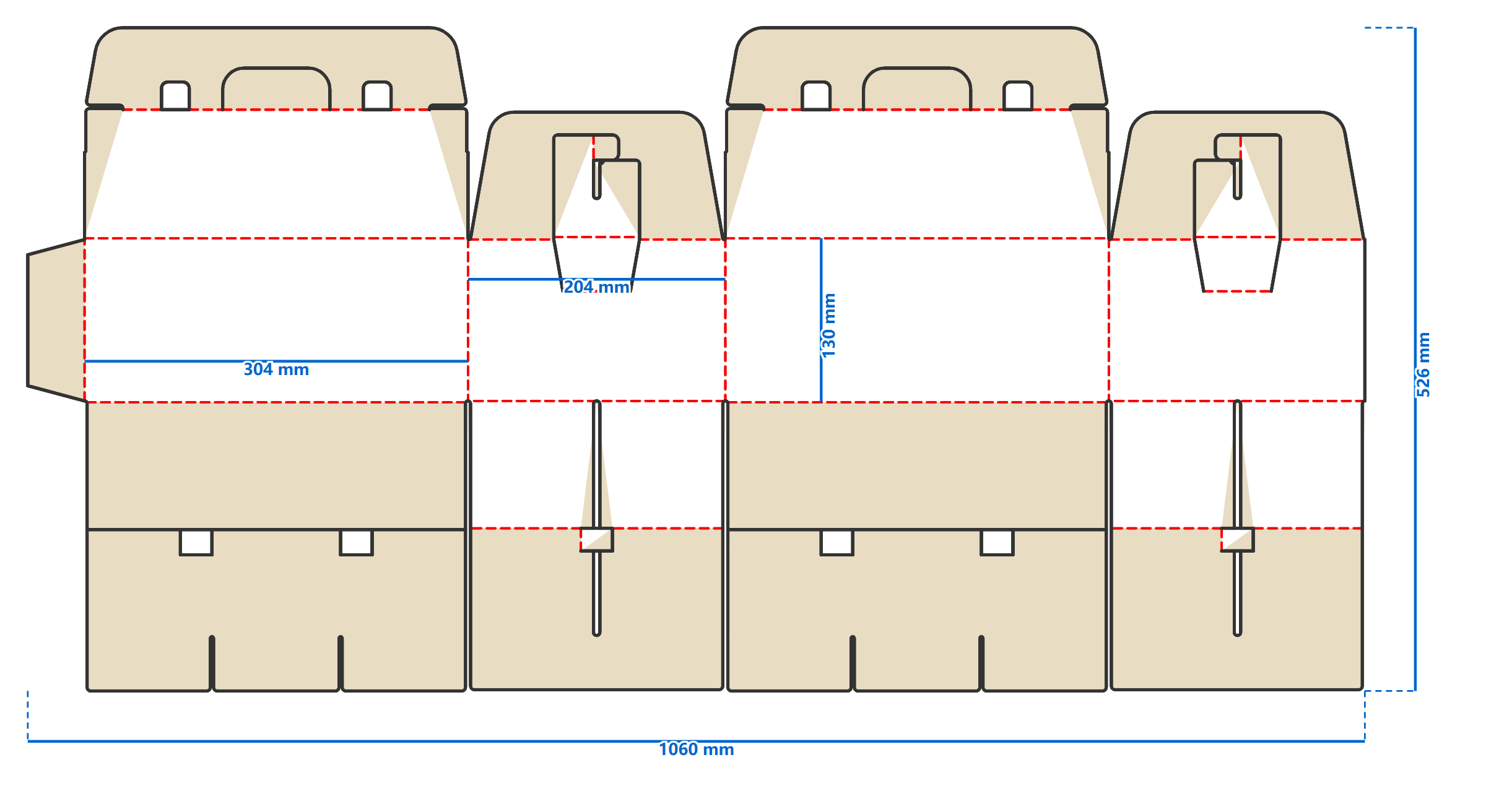 Six-cell liner carton with handle (3818)View the dieline and unfolding diagram →
Open the tool and try Six-compartment divider carton (867) →
Which one should you choose?
| Your situation | Suggested box | Why |
|---|---|---|
| Six bottles or cans | Six-compartment divider carton (867) | Six cells form in one blank and the dividers rise as the box is erected. |
| Multi-item assortment packs | Self-block flat carton (229) | Cell count and cell size can be adjusted with the box dimensions. |
| Mixed items of irregular size | Self-block divider carton (227) | Divider positions follow the product outline; equal spacing is not required. |
| Higher compression strength plus partitioning | Six-compartment insert carton (2768) | Double-wall board with a separate six-cell insert, suited to heavy contents. |
Read these first
- How to Calculate a Carton Unfolding Size: the 0201 Formula and a Worked Example
- How to Read a Dieline - a Line-Type Reference Table
- Which Software Should You Use to Draw a Dieline
Other series
Frequently asked questions
- Which box should I choose for six bottles or cans?
- Choose Six-compartment divider carton (867). Six cells form in one blank and the dividers rise as the box is erected.
- Which box should I choose for multi-item assortment packs?
- Choose Self-block flat carton (229). Cell count and cell size can be adjusted with the box dimensions.
- Which box should I choose for mixed items of irregular size?
- Choose Self-block divider carton (227). Divider positions follow the product outline; equal spacing is not required.
- Which box should I choose for higher compression strength plus partitioning?
- Choose Six-compartment insert carton (2768). Double-wall board with a separate six-cell insert, suited to heavy contents.